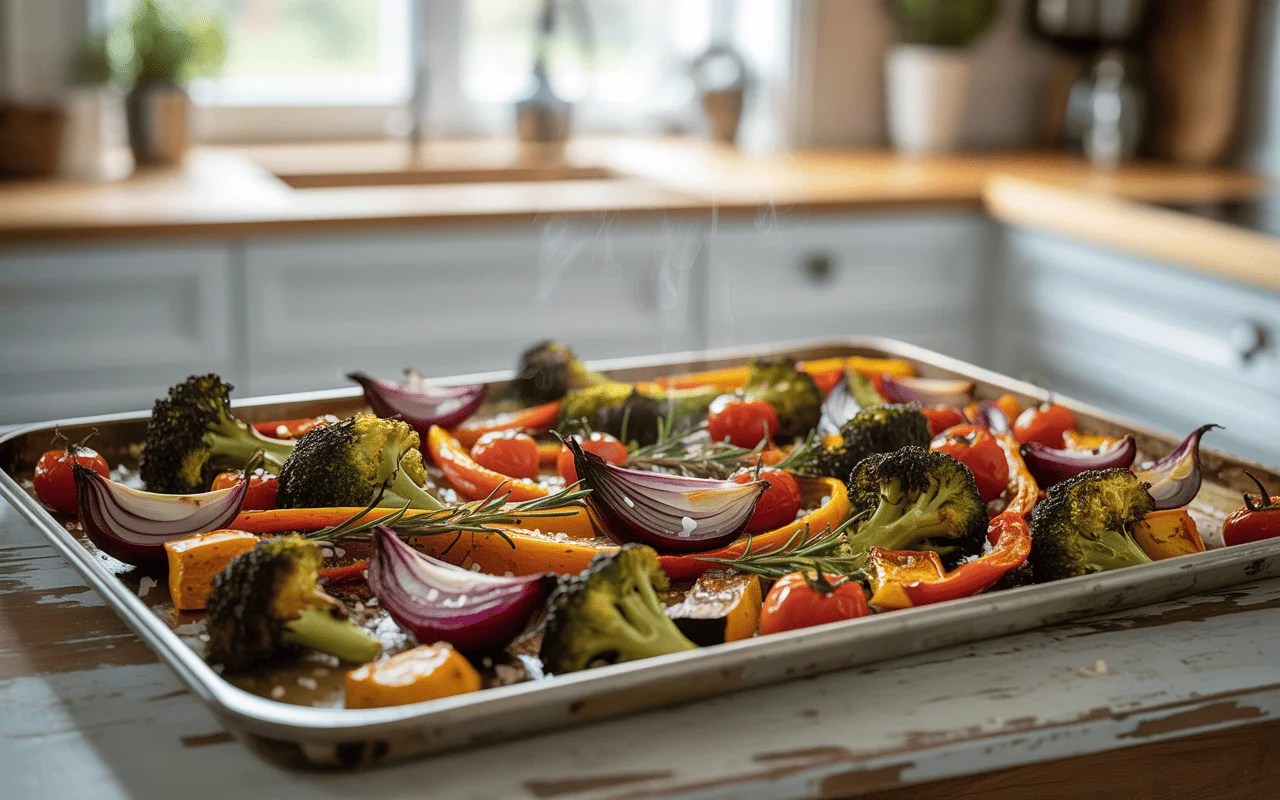
There's a universally acknowledged truth in the world of pizza: a soggy topping can ruin even the most perfectly baked crust. If you've ever pulled a homemade pizza from the oven, only to find your beautiful vegetables weeping moisture and making your slice a limp, flavorless disappointment, you're not alone. The secret to a truly spectacular homemade pizza doesn't just lie in a great dough or quality cheese; it's in mastering the art of the pizza roasted veggies. This isn't just about cooking them; it's about transforming them into intensely flavorful, slightly caramelized, and moisture-free bursts of goodness that elevate your pizza from good to absolutely unforgettable.
Imagine biting into a slice where every vegetable offers a concentrated sweetness and a hint of char, without ever compromising the crisp integrity of your crust. That's the magic of proper roasting. This comprehensive guide will arm you with the knowledge and techniques to banish soggy toppings forever and turn your everyday veggies into the undisputed stars of your next pizza night.
Why Roasting Your Pizza Veggies is a Game-Changer (and Not Just for Flavor!)
Many home cooks simply chop raw vegetables and layer them onto their pizza before baking. While this is certainly an option, it often leads to the dreaded "soggy bottom" scenario. Roasting vegetables for your pizza offers a multitude of benefits that go far beyond just enhancing their taste:
- Unleashed Flavor & Sweetness: High heat roasting caramelizes the natural sugars within vegetables, creating a depth of flavor that raw or lightly steamed veggies simply can't match. Think of the difference between a raw red onion and one that's been softened and sweetened in the oven – it's a culinary revelation!
- Texture Transformation: Roasting brings out desirable textures. Bell peppers become tender with a slight char, mushrooms develop an earthy chewiness, and zucchini transforms from watery to delicately firm. These textures add a satisfying complexity to each bite of pizza.
- Crucial Moisture Control: This is arguably the most important benefit for pizza. Vegetables are packed with water. Roasting evaporates much of this excess moisture *before* it has a chance to soak into your pizza dough. This pre-emptive strike is key to achieving a consistently crispy crust and preventing a watery, unappetizing topping layer.
- Concentrated Nutrition: While some nutrients are sensitive to heat, roasting can actually concentrate certain flavors and even make some nutrients more bioavailable by breaking down cell walls. You're getting a nutrient-dense, flavorful topping.
- Versatility & Convenience: Roasting can be done ahead of time, making pizza assembly on a busy weeknight a breeze. Plus, you can roast a large batch of various vegetables and use them for multiple meals throughout the week, not just pizza.
The Culinary Science Behind Perfect Pizza Roasted Veggies: Preventing the Soggy Struggle
Understanding *why* vegetables get soggy on pizza is the first step to preventing it. It all comes down to water content and heat management. Most vegetables, especially those often used on pizza like zucchini, mushrooms, and bell peppers, contain a significant amount of water. When these are placed raw on a pizza and baked, that water is released, steam is generated, and it has nowhere to go but down, directly into your beautiful crust.
Proper roasting tackles this issue head-on. Here's the science at play:
- High Heat Evaporation: Roasting at high temperatures (typically between 400-450°F or 200-230°C) provides enough energy to rapidly evaporate the water from the vegetables' surface and interior. This process is far more efficient than the slightly lower, moist heat typically experienced by raw toppings on a pizza.
- Maillard Reaction & Caramelization: The high, dry heat of the oven initiates two magical processes. The Maillard reaction is a complex chemical reaction between amino acids and reducing sugars that gives roasted foods their distinctive savory flavor and browned surface. Caramelization, specifically for sugars, contributes to the sweet, nutty notes. Both reactions require dry heat and contribute to the rich, deep flavors that make roasted veggies so appealing.
- Creating a Protective Barrier: As water evaporates and the vegetables brown, their cell walls break down, and some surfaces form a slightly drier, more resilient exterior. This "crust" on the vegetable itself helps prevent further moisture release when it's later placed on the pizza, acting as a buffer against the dough.
- Adequate Airflow: Roasting vegetables in a single layer on a baking sheet, rather than piled high, ensures that hot air can circulate freely around each piece. This promotes even cooking, efficient moisture evaporation, and prevents steaming, which is the enemy of crispness. Overcrowding a baking sheet is a common mistake that leads to steamed, rather than roasted, vegetables.
By pre-roasting your pizza roasted veggies, you're essentially giving them a head start, concentrating their flavors and removing their excess moisture, setting your pizza up for textural triumph.
Your Ultimate Guide to Roasting Pizza Veggies: Step-by-Step for Success
Let's dive into the practical steps to achieve perfectly roasted vegetables every time. Forget limpness and embrace vibrant, tender-crisp toppings!
Selecting Your Star Produce
The best roasted vegetables start with the best fresh produce. While the reference context suggests excellent choices, don't limit yourself!
- Red Bell Peppers: Sweet and vibrant, they roast beautifully, becoming tender and slightly charred. Cut into thin strips or bite-sized pieces.
- Zucchini & Yellow Squash: These moisture-rich veggies require careful handling. Slice them thinly (about ¼-inch thick) to ensure even cooking and faster moisture evaporation.
- Red Onion: Transforms from pungent to wonderfully sweet and mellow when roasted. Slice into thin rings or wedges.
- Cherry Tomatoes: Burst with juicy sweetness, offering a lovely counterpoint to savory flavors. Roast them whole or halved.
- Mushrooms (Cremini or Button): Earthy and meaty, they develop a fantastic depth of flavor. Slice them to a consistent thickness, or leave smaller ones whole.
- Broccoli & Cauliflower: Break into small florets. Their edges get beautifully crispy and their centers tender.
- Eggplant: Dice into ½-inch cubes. Like zucchini, it benefits from a slightly thinner cut or even salting and draining before roasting to draw out excess moisture.
- Asparagus: Trim woody ends and cut into 1-inch pieces. They roast quickly and offer a delightful snap.
Always choose firm, unblemished vegetables. The fresher, the better!
Prep is Key: Sizing, Oiling, and Seasoning
Proper preparation is half the battle won:
- Uniform Cutting: This is critical for even roasting. Cut all your chosen vegetables to roughly the same size. If you have a mix of dense and quick-cooking vegetables, consider roasting them on separate trays or adding the quicker-cooking ones halfway through.
- The Right Amount of Oil: Drizzle your prepped veggies with just enough olive oil to lightly coat them. Too much oil can lead to greasy veggies that steam rather than roast; too little can cause them to dry out or stick. Generally, 1-2 tablespoons per pound of vegetables is a good starting point. Toss well in a large bowl to ensure every piece is coated.
- Seasoning Simply: Start with a generous pinch of sea salt and freshly ground black pepper. These are your roasting essentials. For extra flavor, consider adding dried herbs like oregano, thyme, or a pinch of garlic powder. Remember, you can always add more seasoning after roasting, but you can't take it away!
The Roasting Process: Heat, Space, and Timing
This is where the magic happens:
- Preheat Your Oven to High: A temperature of 425-450°F (220-230°C) is ideal for achieving that coveted caramelization and crispness. Don't put your veggies in a cold oven!
- Line & Prepare Your Baking Sheets: Line a large baking sheet with parchment paper or a silicone mat for easy cleanup and to prevent sticking. A light drizzle of olive oil on the parchment can also help.
- Single Layer, No Crowding: This is paramount. Spread your seasoned vegetables in a single layer on the prepared baking sheet. Ensure there's space between each piece for air to circulate. If you have a lot of veggies, use multiple baking sheets. Overcrowding leads to steaming, not roasting, and your efforts will be in vain.
- Roast Until Tender-Crisp and Caramelized:
- Roast for approximately 15-25 minutes, depending on the vegetable type and thickness.
- Harder vegetables (peppers, onions, broccoli) will take longer than softer, more watery ones (zucchini, mushrooms, cherry tomatoes).
- Midway through, give the tray a shake or use a spatula to flip the vegetables for even browning.
- Look for edges that are slightly browned or charred, and an overall tender texture. The goal is to evaporate moisture and deepen flavor, not to cook them to mush.
- Cool Before Topping: Once roasted, remove the veggies from the oven and let them cool slightly on the baking sheet. This allows them to firm up a bit and further release any residual steam before they hit your pizza.
Beyond the Basics: Advanced Tips for Next-Level Pizza Roasted Veggies
Once you've mastered the fundamentals, these extra tips can take your pizza roasted veggies to gourmet heights:
- Blot High-Moisture Veggies: For particularly watery vegetables like zucchini, eggplant, or mushrooms, after slicing, you can lay them on a paper towel, sprinkle with a little salt, and let them sit for 15-20 minutes. The salt will draw out moisture. Gently blot them dry before tossing with oil and roasting.
- Add Aromatics Late: If you want to add garlic cloves or fresh herbs like rosemary or thyme to your roasting pan, add them about halfway through the roasting time. Garlic can burn easily, and delicate herbs can dry out if roasted for the full duration.
- Don't Over-Roast: While caramelization is good, excessive roasting can turn vegetables bitter or mushy. Keep an eye on them towards the end of their cooking time.
- Embrace a Mix: Don't be afraid to mix different types of vegetables, but remember to cut them uniformly or adjust roasting times. For example, bell peppers and onions can often roast together, while delicate cherry tomatoes might be added later.
- Post-Roasting Enhancements: Once roasted and cooled, a drizzle of balsamic glaze or a sprinkle of fresh, torn basil leaves (added *after* the pizza is baked) can provide a fresh, vibrant contrast to the deep roasted flavors.
Mastering the art of roasting vegetables for your pizza is a fundamental skill that will forever change your homemade pizza game. No more sad, soggy toppings and compromised crusts! By understanding the science of moisture control and embracing high-heat caramelization, you're not just cooking vegetables; you're transforming them into intensely flavorful, textural marvels that will elevate every single slice. Experiment with different vegetables, seasonings, and techniques, and you'll soon be creating pizzas that impress both family and friends. For more detailed recipes and further insights into creating the ultimate pies, check out our guides on Unlock Flavor: The Ultimate Roasted Veggie Pizza with Crispy Crust and From Prep to Perfection: Your Guide to a Delicious Roasted Veggie Pizza.
